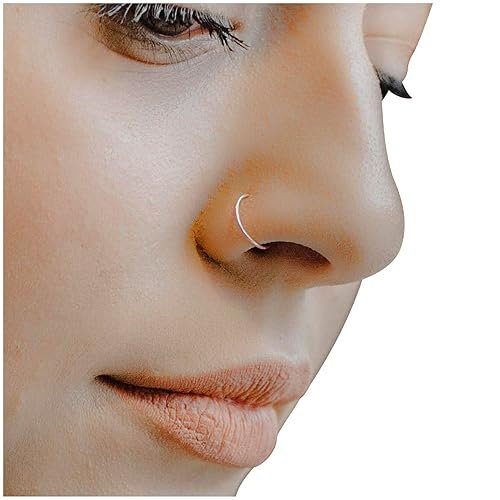
Are Nose Rings Still in Style 2026
Are Nose Rings Still in Style in 2026? Yes — Here’s What’s Trending Short answer: Yes, nose rings are absolutely still in style in 2026.

In 2026, jewelry buyers are more informed than ever. Whether shopping for 14k gold filled rings or considering gold plated jewelry, understanding the difference between gold filled vs gold plated is essential. Consumers want durability, hypoallergenic comfort, and timeless style and the choice between these two finishes can make or break a purchase.
will break down every aspect of the gold filled vs gold plated debate for 2026, focusing on what matters most: durability, cost, appearance, and skin safety

Gold plated jewelry is made by depositing a very thin layer of gold typically less than 0.5 microns thick—onto a base metal such as brass, copper, or nickel using an electroplating process This process gives the jewelry a bright, gold-like appearance at a fraction of the cost of solid gold. However, because the gold layer is so thin, it is prone to wearing off quickly, especially in high-friction areas like ring bands, clasps, and chain links.

Gold filled jewelry is crafted by mechanically bonding a thick layer of gold legally required to be at least 5% of the item’s total weight to a base metal core, usually brass, using heat and pressure. The gold layer is typically 14k or 12k, and is up to 100 times thicker than standard gold plating. This results in a product that looks, feels, and wears much more like solid gold, but at a significantly lower price.

Gold plated jewelry is designed for affordability and trendiness, not longevity. The ultra-thin gold layer (often less than 0.5 microns) wears away quickly with regular use, especially in high-contact areas. Most gold plated pieces begin to show signs of fading, tarnishing, or base metal exposure within a few months to a year, depending on wear and care.

Gold filled jewelry is engineered for durability. The thick gold layer (at least 5% by weight, often 50–100 microns thick) is mechanically bonded to the base metal, making it highly resistant to tarnishing, flaking, and fading. With proper care, gold filled jewelry can last 10–30 years, and many vintage gold filled pieces from the 1950s still look stunning today.
Check Gold FIlled Nose Studs

Gold plated jewelry is the most affordable way to achieve a gold look. Prices for gold plated rings, earrings, or necklaces typically range from $10 to $50, depending on design and brand. However, the low upfront cost is offset by the need for frequent replacements, as the thin gold layer wears away quickly.
Gold filled jewelry costs more upfront typically $40 to $150 for similar pieces—but offers far greater value over time. Because the gold layer is so much thicker and more durable, gold filled jewelry rarely needs to be replaced, resulting in a much lower cost-per-wear over the years.
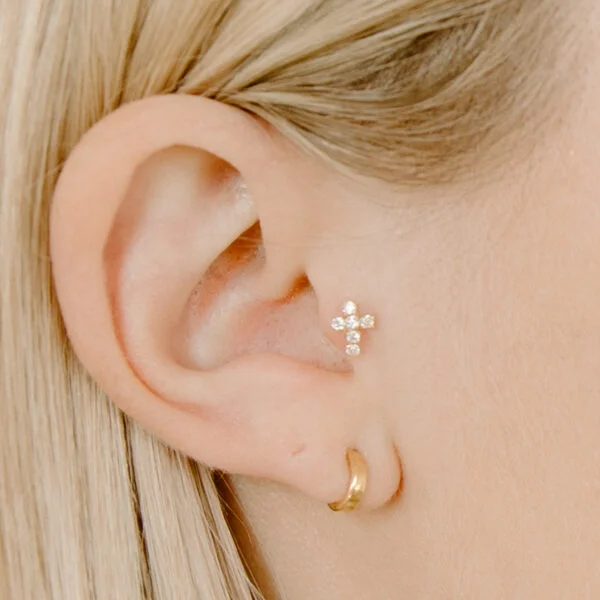

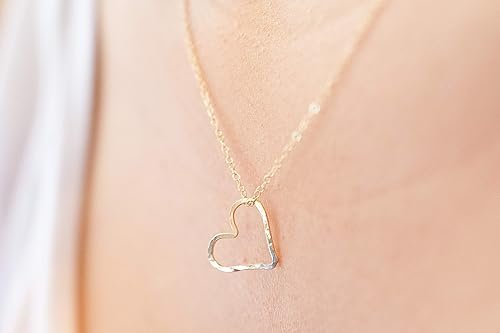

When new, gold plated jewelry can look nearly identical to solid gold or gold filled pieces. The initial shine is bright and attractive, making it a popular choice for statement pieces and trend-driven designs. However, the thin gold layer is prone to fading, tarnishing, and color changes—especially in high-friction areas or when exposed to moisture, sweat, or chemicals.
Gold filled jewelry maintains its rich, warm gold color for years, closely mimicking the appearance of solid gold. The thick gold layer resists fading and tarnishing, ensuring a consistent, luxurious look even with daily wear. Many consumers and jewelers find it difficult to distinguish high-quality gold filled pieces from solid gold without close inspection or testing.
Color longevity:

Because gold plated jewelry uses a very thin gold layer over base metals like brass, copper, or nickel, it is more likely to cause skin irritation or allergic reactions—especially once the gold layer wears off and the base metal is exposed. Nickel allergies are particularly common, and many inexpensive gold plated pieces do not disclose their base metal composition.
Common issues:
Gold filled jewelry is generally considered hypoallergenic, as the thick gold layer prevents direct contact between the skin and the base metal. Most people with sensitive skin can wear gold filled jewelry comfortably for years without irritation. However, if the gold layer is worn through after many years, some individuals may experience mild reactions.
Skin safety summary:

The “14k” marking refers to the purity of the gold used in the outer layer:
In gold filled jewelry: The thick outer layer is 14k gold, bonded to the base metal. The marking “1/20 14K GF” means the piece is at least 5% 14k gold by weight.
In gold plated jewelry: The gold used for plating may be 14k, 18k, or even 24k, but the layer is so thin that the karat rating has little impact on durability or value.
Gold filled jewelry is low-maintenance but benefits from gentle care to maximize its lifespan:
Gold plated jewelry requires extra caution:
Pro tip: Gold filled jewelry can withstand occasional water exposure, but removing it before showering or swimming will extend its life.


Ellie J Maui stands out as a trusted, family-owned jewelry brand with over 40 years of expertise on the island of Maui. Their gold filled jewelry is handcrafted with meticulous attention to detail, using only high-quality, ethically sourced materials. Ellie J Maui’s commitment to transparency, customer service, and hypoallergenic design makes them a top choice for consumers seeking both style and substance.
Gold filled jewelry is celebrated for its versatility and timeless appeal. Whether you’re layering delicate chains for a casual brunch, adding a bold cuff for evening glam, or choosing minimalist hoops for the office, gold filled pieces elevate any look
Styling tips:
Ethical sourcing and transparency are increasingly important to today’s jewelry buyers. Gold filled jewelry uses a fraction of the gold required for solid gold pieces, reducing environmental impact. Reputable brands like Ellie J Maui prioritize responsible sourcing, often working with suppliers who adhere to international standards such as LBMA’s Responsible Sourcing Programme and ISO certifications for quality and environmental management.
Certifications to look for:
Ellie J Maui’s commitment: Transparent sourcing, ethical practices, and customer trust at every step.
Gold filled jewelry rarely needs repair or replating, thanks to its thick, durable gold layer. If minor scratches or dullness occur after many years, professional polishing can restore shine without compromising the gold layer.
Gold plated jewelry can be professionally replated once the gold layer wears off, but the process may cost as much as a new piece and is not always practical for inexpensive items. Frequent replating can also thin the base metal over time.
| Feature | Gold Filled Jewelry | Gold Plated Jewelry |
| Gold Content | ≥5% by weight (50–100 microns thick) | <0.05% by weight (<0.5 microns thick) |
| Manufacturing | Mechanical bonding (heat/pressure) | Electroplating (chemical process) |
| Durability | 10–30 years (daily wear) | 3–12 months (daily wear) |
| Tarnish Resistance | Excellent | Poor |
| Hypoallerganic | Yes (for most skin types) | No (risk of irritation/allergy) |
| Appearance | Rich, lasting gold color | Bright at first, fades quickly |
| Cost | $$ (mid-range, better value) | $ (lowest upfront, higher replacement) |
| Care | Low maintenance | High maintenance |
| Best For | Daily wear, heirlooms, sensitive skin | Occasional wear, trends, fashion |
| Marking | 1/20 14K GF, 14K GF | GP, GEP, HGE, RGP, or none |
Gold filled jewelry has a thick layer of real gold (at least 5% by weight) mechanically bonded to a base metal, while gold plated jewelry has a very thin layer of gold (less than 0.05%) electroplated onto the surface. This makes gold filled jewelry far more durable and valuable.
Gold filled jewelry lasts 10–30 years with daily wear, while gold plated jewelry typically lasts 3–12 months before fading or tarnishing.
Yes, gold filled jewelry is generally hypoallergenic and safe for sensitive skin, as the thick gold layer prevents contact with the base metal.
Yes, especially once the thin gold layer wears off and exposes the base metal (often nickel or brass), which can cause allergic reactions or discoloration.
Yes, because it offers much greater durability, value, and skin safety compared to gold plated jewelry.
Ellie J Maui offers a curated selection of handcrafted, hypoallergenic gold filled jewelry.
In the gold filled vs gold plated debate, the winner is clear for consumers who value durability, style, and skin safety. Gold filled jewelry offers a lasting, luxurious appearance, superior resistance to tarnish and wear, and hypoallergenic comfort making it the best investment for daily wear and cherished gifts. Gold plated jewelry, while affordable and trendy, is best reserved for occasional or fashion-forward use.